Childcare Sustainability: Why Eco-Friendly Centers are Winning the 2026 Market
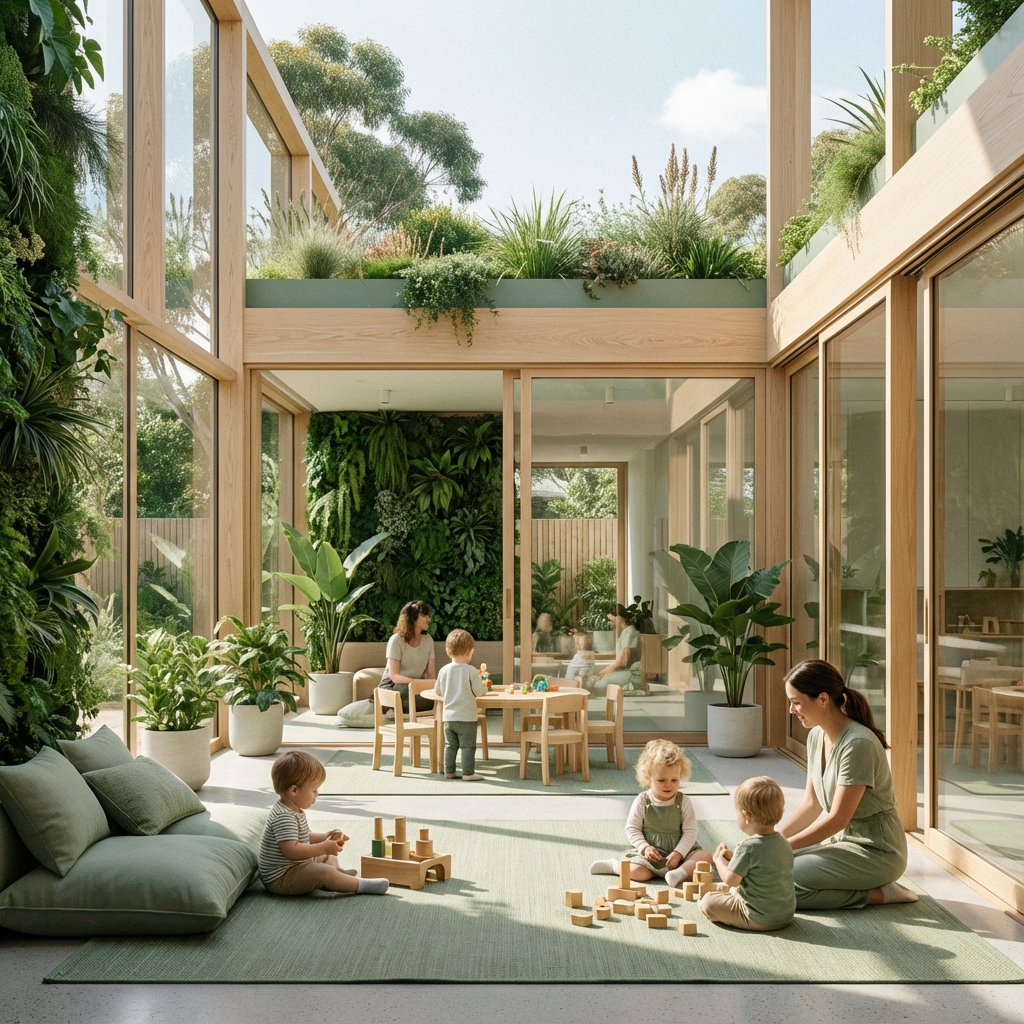
The Green Shift in Early Education
Sustainability is no longer a fringe movement or a "nice-to-have" marketing tag. As we look toward 2026, environmental responsibility has become a core expectation for the modern parent. We are seeing a move toward "Regenerative Childcare"—centers that don't just reduce their impact, but actively improve the health and well-being of their children and their communities.
For the modern provider, going green isn't just a moral choice; it’s a strategic business decision that drives family enrollment, staff pride, and long-term operational savings.
The Health Premium: Why Parents Care
The primary driver of the sustainability trend in childcare is not "saving the planet," but "protecting the child." Modern parents are hyper-aware of the impact of environmental toxins on early development. They are looking for centers that offer:
- Pristine Indoor Air Quality: Utilizing high-end filtration systems and non-toxic, low-VOC building materials.
- Organic and Local Nutrition: Moving away from processed foods and toward "Farm-to-Table" models that support local agriculture.
- Plastic-Free Environments: A return to wooden toys, natural fibers, and sustainable materials that reduce exposure to microplastics.
When you invest in a sustainable center, you are marketing a Premium Health Environment. This resonates deeply with parents who view their center as a partner in their child’s physical and cognitive development.
The Economics of Efficiency
Sustainability and profitability are often viewed as opposites, but in the 2026 childcare market, they are two sides of the same coin. "Green" operations are inherently more efficient.
- Energy Independence: Solar-ready facilities and high-efficiency lighting/HVAC systems significantly reduce monthly utility overhead.
- Waste Reduction: Minimizing single-use plastics and moving toward digital-only administration reduces the massive "paper and plastic tax" common in traditional centers.
- Long-Term Durability: Sustainable materials (like solid wood and natural stone) often have a higher initial cost but a much longer lifespan than cheap, synthetic alternatives.
Owners who build for sustainability are building for Lower Operational Volatility. They are less susceptible to fluctuations in energy prices and supply chain disruptions.
Curriculum: The "Nature-as-Teacher" Model
Sustainability also reshapes the educational experience. We are seeing a massive surge in "Forest School" components and "Outdoor Classrooms." This isn't just about playing outside; it’s about a deliberate, nature-based curriculum that fosters curiosity and environmental stewardship.
In 2026, an outdoor play space should be more than just a plastic playground; it should be a "Learning Landscape" with garden beds, sensory trails, and natural climbing structures. This "Nature-as-Teacher" model is a massive differentiator for parents who are concerned about the effects of "Nature-Deficit Disorder" in a digital world.
The staff Attraction Factor
Sustainable centers have a secret weapon in the talent war: Purpose. Today’s early childhood educators are increasingly looking for workplaces that align with their personal values. They want to work in environments that are healthy, intentional, and forward-thinking.
When a center commits to a "Green Manifesto," it creates a shared mission that unites the staff. Teachers feel a sense of pride in knowing that they are contributing to a healthier future for the children they care for. This sense of alignment is one of the most powerful retention tools available.
Conclusion: Building for the Next Generation
At its core, childcare is about the future. It only makes sense that our centers should be built to ensure that future is healthy and sustainable. The "Eco-Friendly" center of 2026 is one that understands the deep connection between environmental health and early childhood development.
At New Day Partners, we help owners navigate the transition to sustainable operations. From sourcing non-toxic materials to designing natural learning landscapes, we provide the "Green Blueprint" for the modern childcare business.
Junya Herron is proud to partner with the owners who are building the foundations for a cleaner, healthier world, one classroom at a time.
Start Your Childcare Business the Right Way
Navigating state licensing and setting up a professional facility is overwhelming. We help you skip the mistakes and launch with confidence.
Starting Your First Center?
Get our complete startup blueprints with licensing roadmaps, business plans, and facility setup guides to launch with confidence.
View Startup BlueprintsAlready Operating a Center?
Get expert consulting for compliance audits, enrollment growth, QRIS improvement, and operational optimization.
View Consulting Plans